Temperature plays an important role in the performance and operation of an electric vehicle battery. Both very high and very low temperatures can affect battery behaviour.
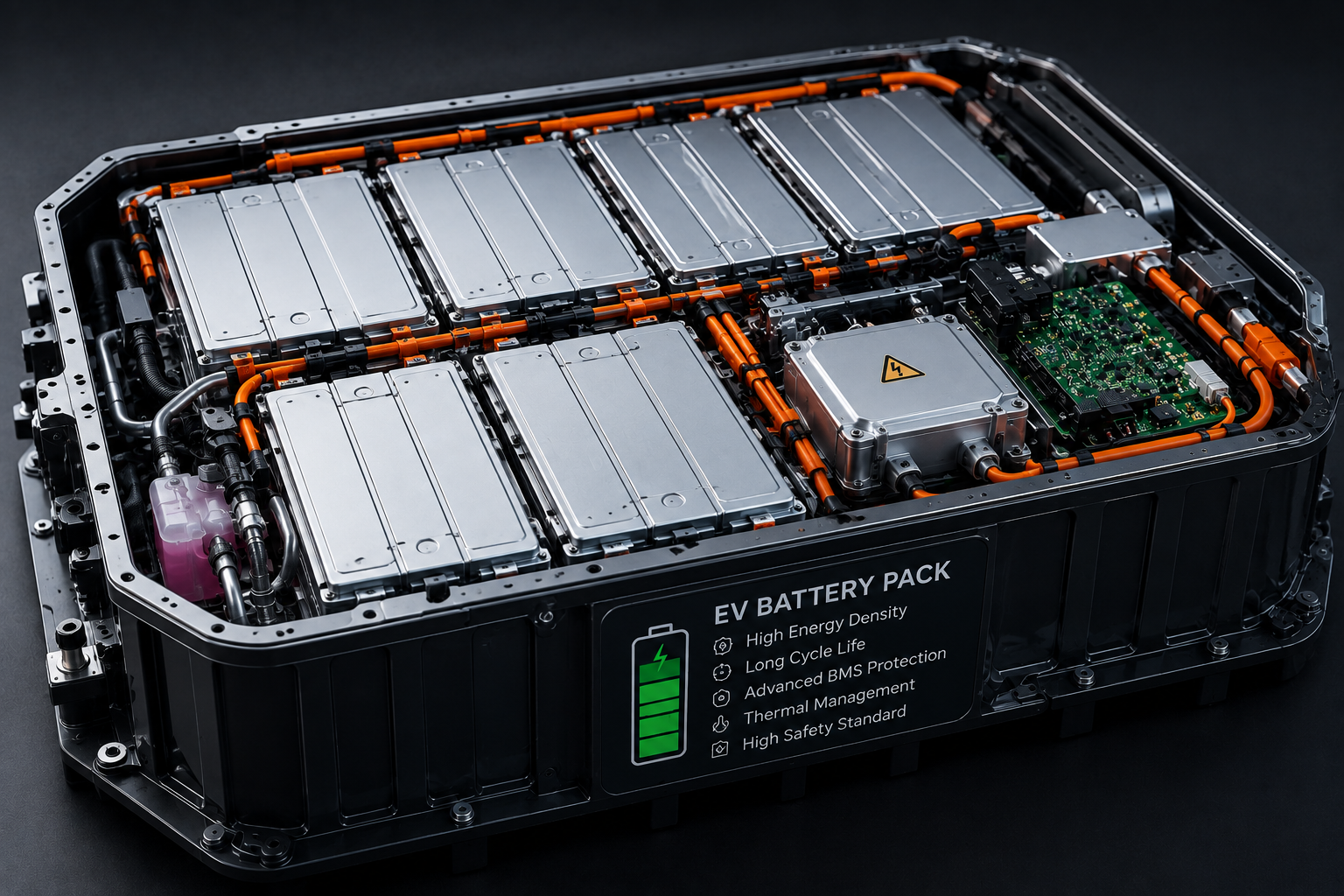
EV battery thermal management systems are designed to help maintain the battery within an appropriate operating temperature range during charging, discharging and other operating conditions.
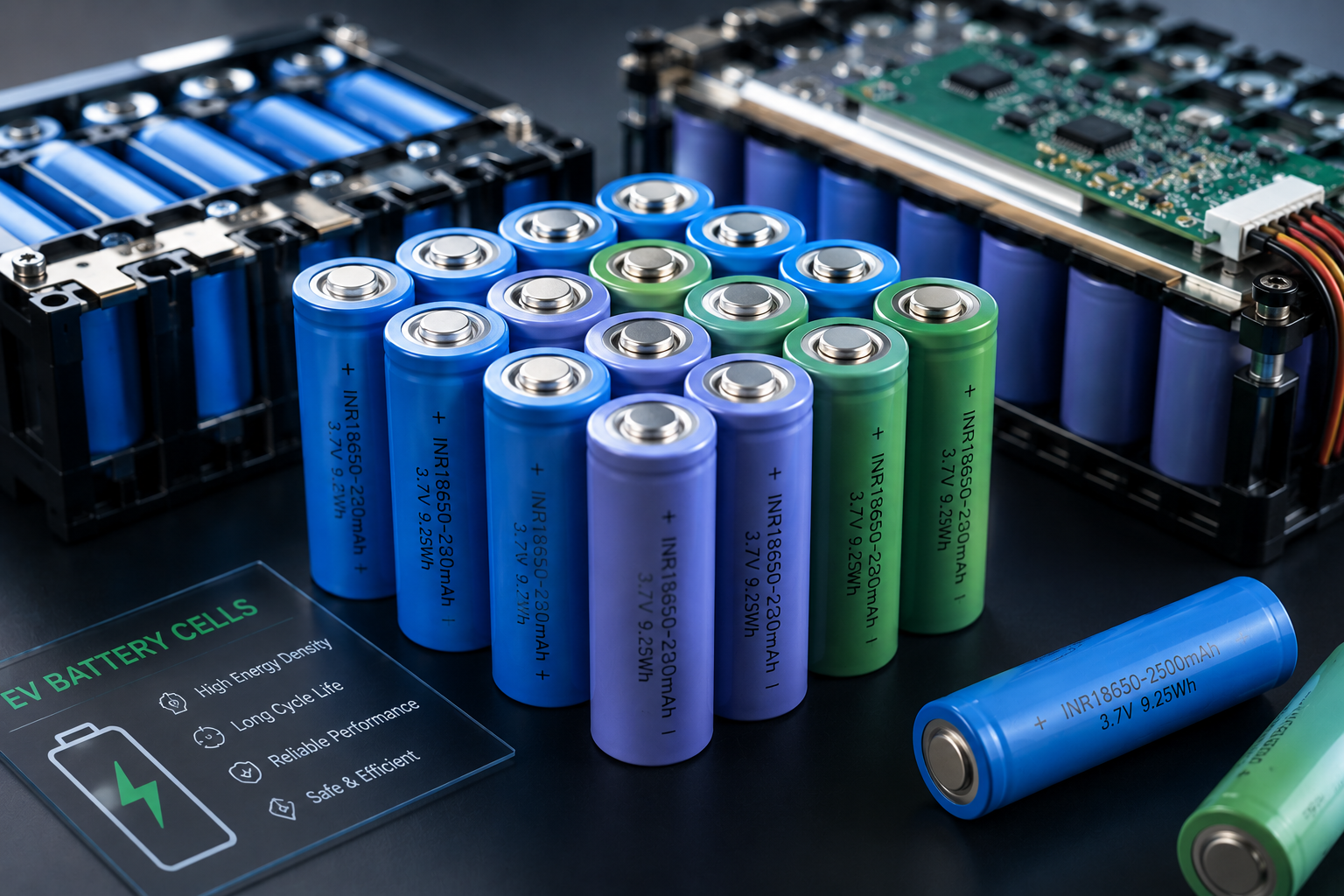
A properly designed thermal management system can work together with the battery cells and BMS to support consistent battery performance.
Table of Contents
What is Battery Thermal Management? Why Battery Temperature Matters How Heat is Generated Battery Cooling Methods Air Cooling Liquid Cooling Battery Heating Temperature Monitoring BMS and Thermal Management Thermal Management Design Factors ConclusionWhat is Battery Thermal Management?
Battery thermal management is the process of controlling and monitoring battery temperature during different operating conditions.
EV batteries can generate heat during charging and discharging. A thermal management system helps transfer this heat away from the battery when necessary.
In colder conditions, some battery systems may also require heating to bring the cells into a suitable operating range.
Thermal management helps maintain battery temperature within the operating range required by the battery system.
Why Battery Temperature Matters
Battery temperature can influence charging, discharging and overall battery behaviour.
Excessive heat can increase the stress on battery components, while very low temperatures can affect battery performance and charging characteristics.
Performance
Temperature can influence battery power and operating performance.
Charging
Charging behaviour can vary with battery temperature.
Battery Life
Managing operating conditions is important for long-term battery performance.
Protection
Temperature monitoring supports battery protection strategies.
How Heat is Generated in EV Batteries
Battery cells can generate heat during normal operation because electrical current passes through materials that have internal resistance.
Higher current levels can increase the amount of heat generated by the battery system.
Heat generation can become particularly important during high-power charging, acceleration and other high-load operating conditions.
High Current
Higher current flow can increase heat generation within battery cells and electrical components.
CURRENTFast Charging
High-power charging can create additional thermal demands on the battery system.
CHARGINGEV Battery Cooling Methods
Battery cooling systems are designed to remove excess heat generated during battery operation.
Different battery applications can use different cooling approaches depending on battery size, power requirements, packaging and system design.
Air Cooling
Uses airflow to remove heat from battery components.
Liquid Cooling
Uses a liquid cooling circuit to transfer heat away from battery components.
Advanced Cooling
Larger and higher-performance battery systems may use more advanced thermal architectures.
Air Cooling
Air cooling uses moving air to transfer heat away from battery cells or surrounding components.
Air can be moved through the battery system using natural airflow or fans, depending on the design.
Air cooling can provide a relatively straightforward thermal management approach for suitable battery applications.
Liquid Cooling
Liquid cooling uses a liquid-based thermal circuit to transfer heat away from the battery system.
This approach can provide effective heat transfer and is commonly considered for battery systems with higher thermal loads.
Heat Transfer
Liquid can transfer heat away from battery components.
Temperature Control
Helps maintain appropriate battery operating temperatures.
Cooling Circuit
A dedicated circuit can distribute thermal management fluid through the system.
System Integration
Cooling components need to be integrated with the complete battery architecture.
Battery Heating
Thermal management is not only about cooling. In cold operating conditions, battery heating may also be required.
Heating can help bring battery cells toward a suitable operating temperature before or during certain operating conditions.
Battery heating can help maintain appropriate operating conditions when ambient temperatures are low.
Battery Temperature Monitoring
Temperature sensors are used to monitor thermal conditions at relevant points within the battery system.
The collected temperature information can be used by the battery management system to support monitoring, protection and thermal control strategies.
Monitoring cell temperature helps identify changing thermal conditions within the battery.
Sensors provide temperature measurements to the battery monitoring system.
Monitoring systems can identify temperature conditions that require attention.
Temperature information can be incorporated into battery management decisions.
BMS and Thermal Management
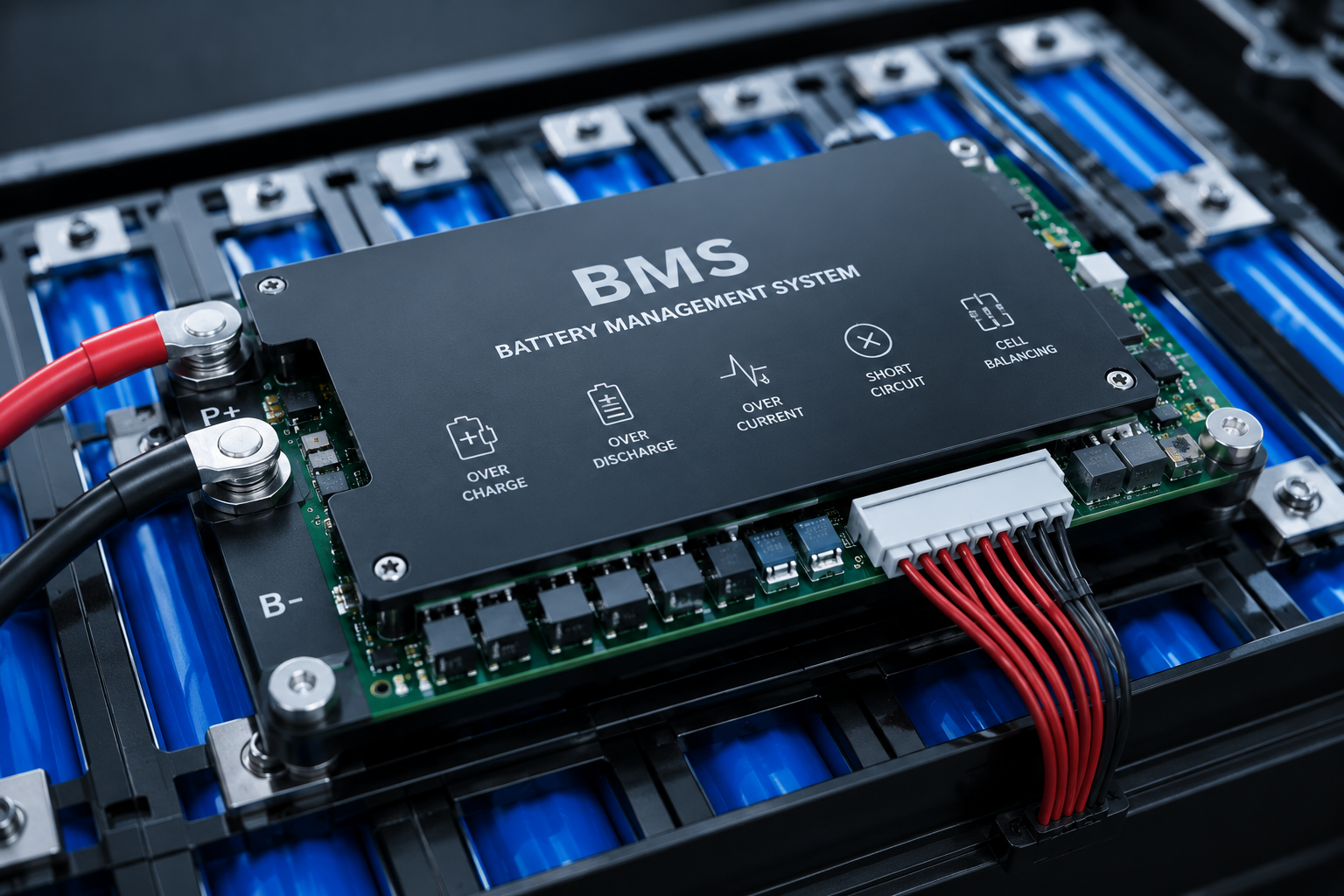
The Battery Management System and thermal management system work together as important parts of an EV battery architecture.
The BMS can monitor temperature measurements and use this information along with voltage and current data to manage battery operation according to the system's defined limits.
Temperature Data
Sensors provide temperature information to the battery monitoring system.
BMS Processing
The BMS processes battery monitoring information according to its control strategy.
Thermal Control
Thermal systems can respond according to the battery system's requirements.
Important Thermal Management Design Factors
Designing an effective battery thermal management system requires considering the battery's electrical, mechanical and environmental operating conditions.
| Factor | What to Consider |
|---|---|
| Battery Size | Larger battery systems can have different thermal management requirements. |
| Power Level | Higher power operation can increase thermal loads. |
| Charging | Charging conditions and power levels need to be considered. |
| Ambient Temperature | External temperature affects battery thermal conditions. |
| Cooling Method | Air, liquid or another thermal management approach can be selected based on system requirements. |
| Sensor Placement | Temperature sensors should provide useful information about the battery's thermal condition. |
Conclusion
Thermal management is an important part of modern EV battery system design. Battery temperature can influence charging, discharging and overall battery operation.
Cooling, heating and temperature monitoring systems can work together with the BMS to maintain suitable operating conditions.
As EV battery systems become more powerful and compact, effective thermal management becomes increasingly important for battery performance and reliability.
Temperature Matters
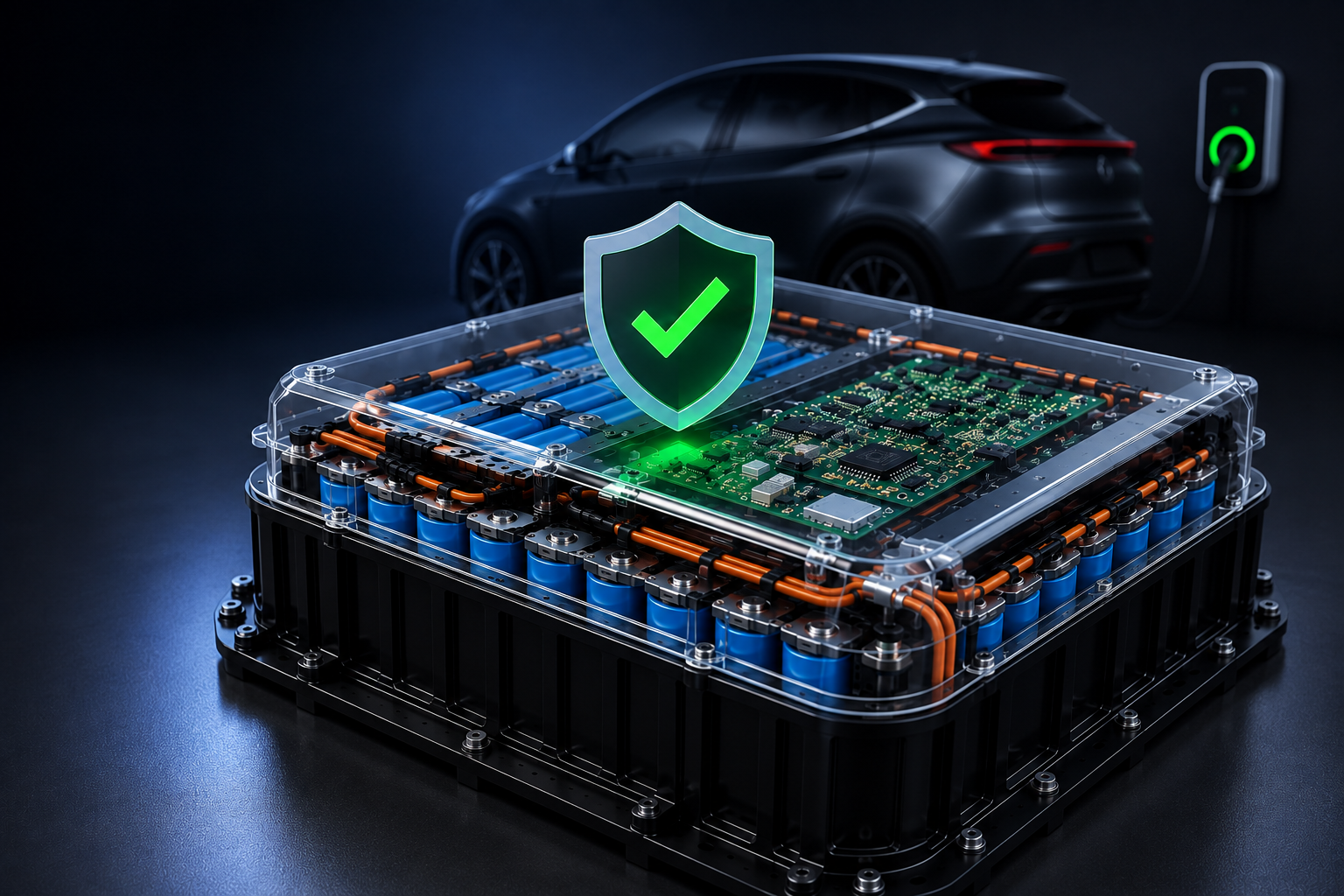
Effective thermal management helps maintain suitable battery operating conditions across different charging and driving scenarios.