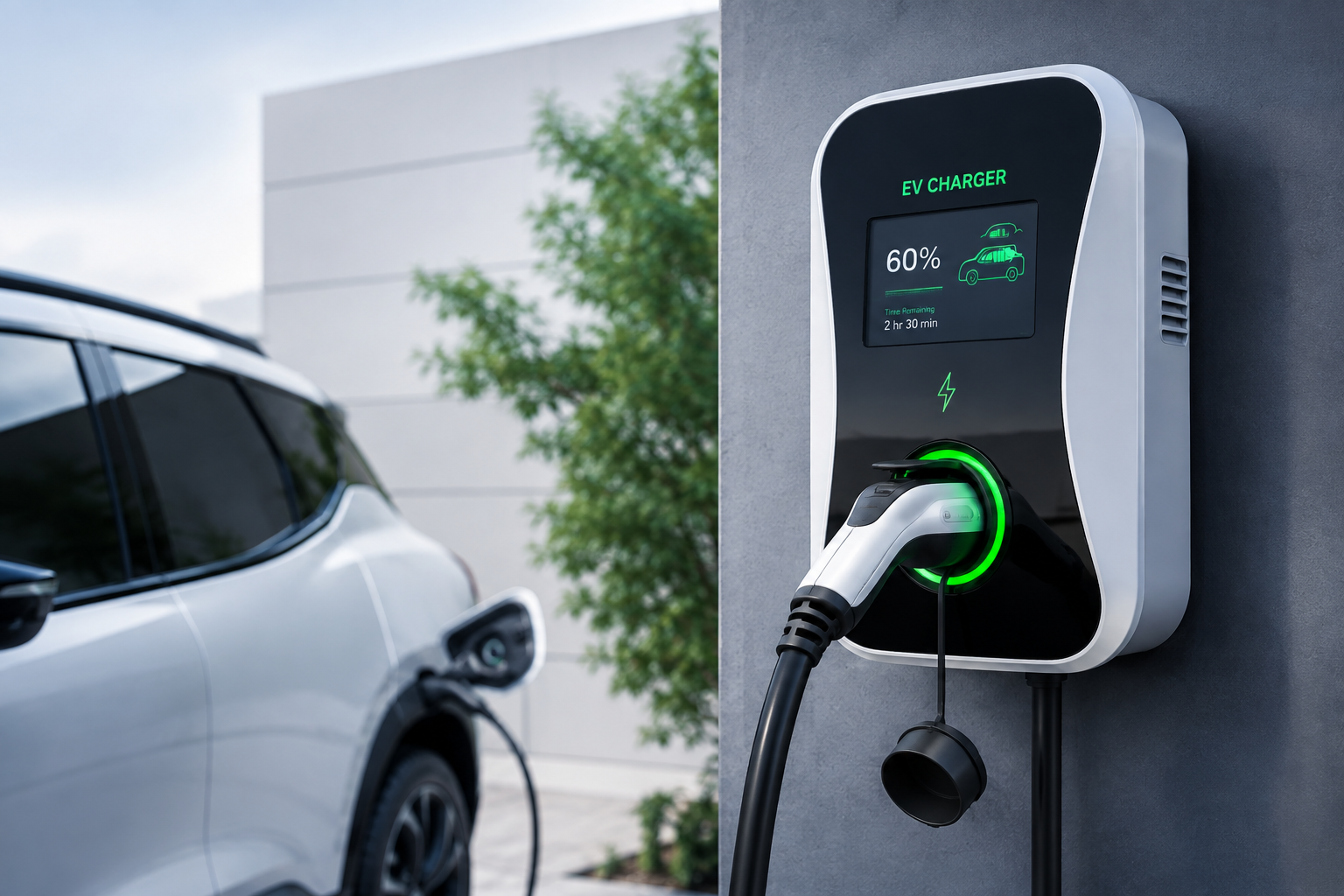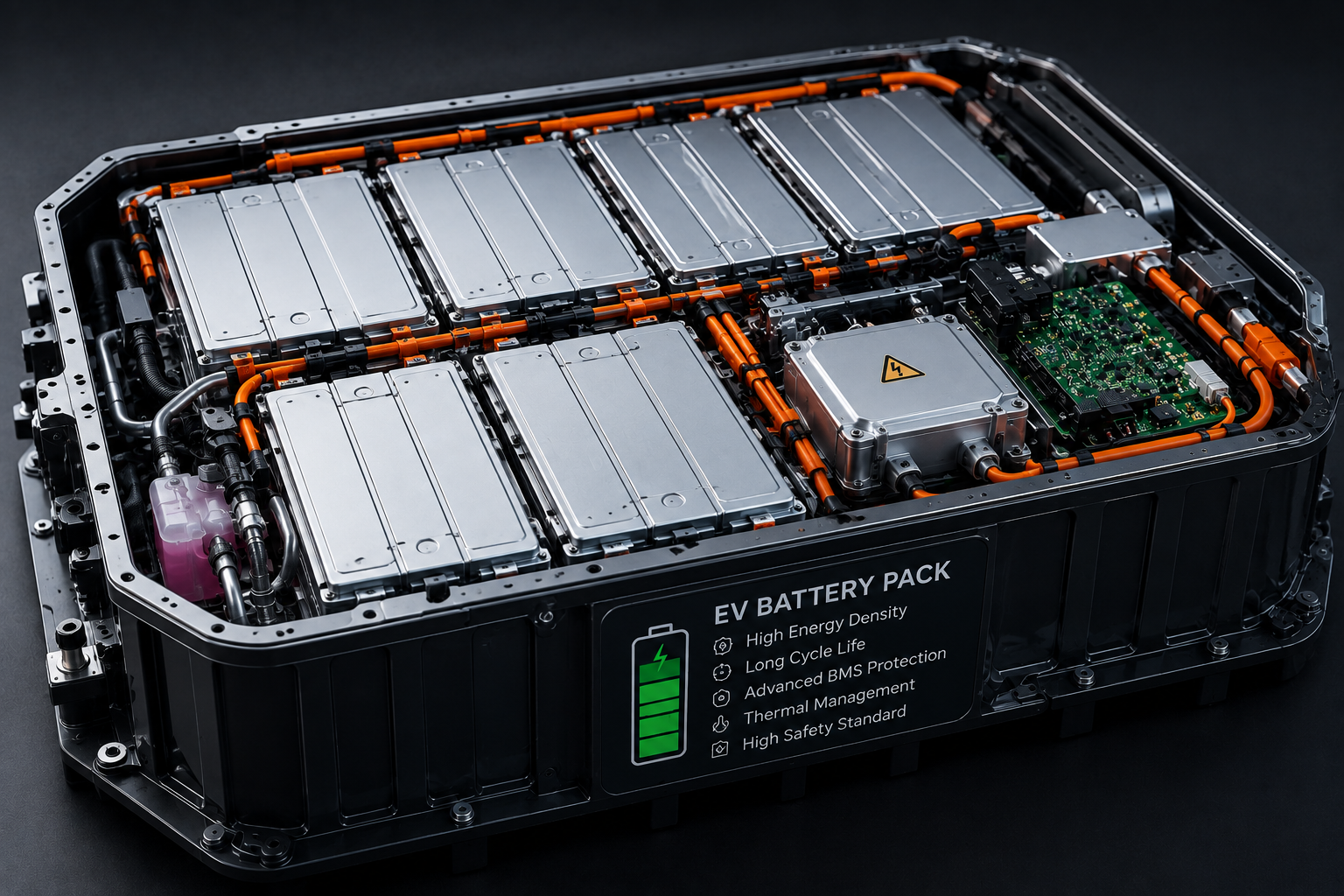
The battery pack is one of the most important components of an electric vehicle. Behind the safe and efficient operation of that battery pack is a critical electronic system known as the Battery Management System, or BMS.
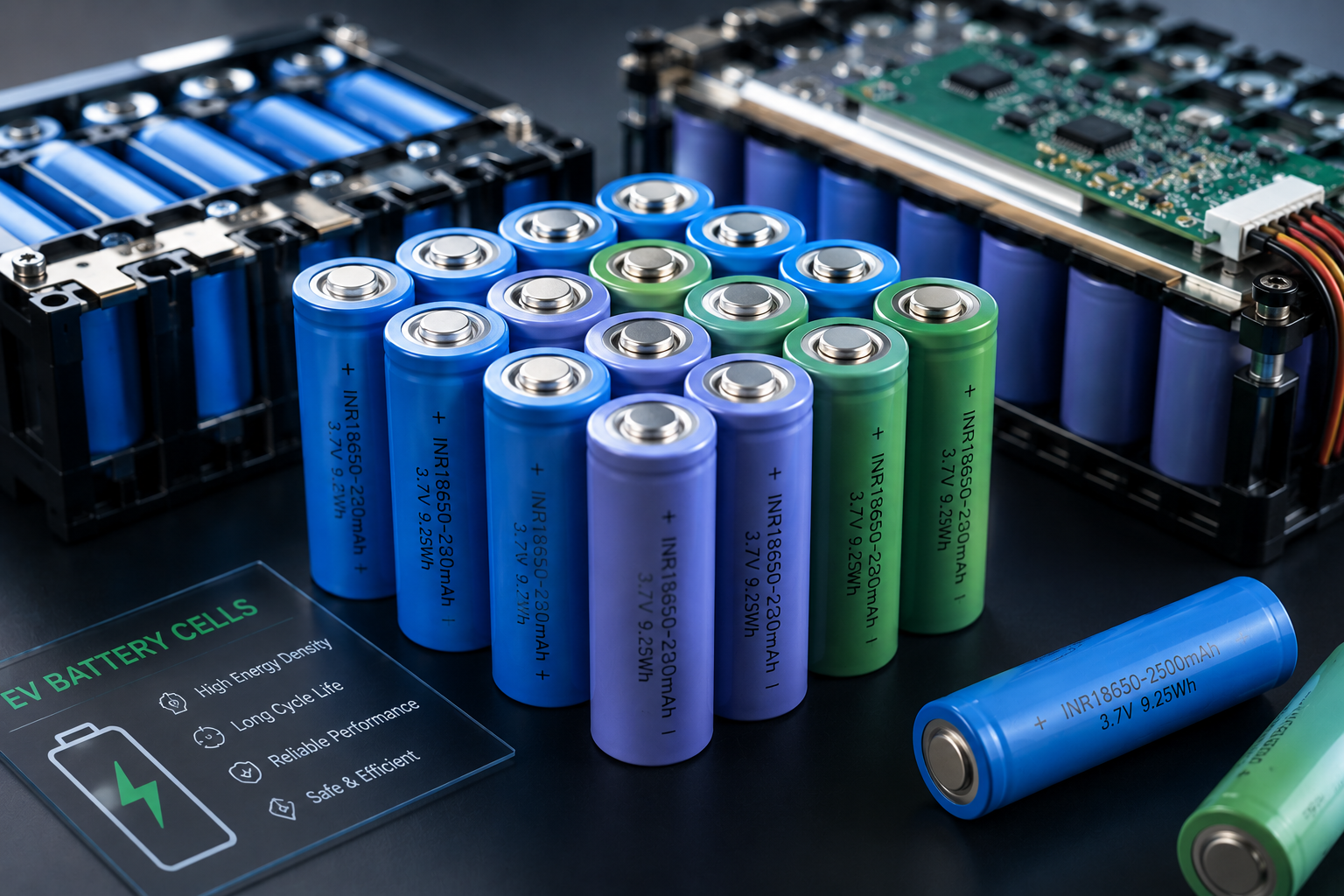
An EV battery contains multiple cells connected together to provide the required voltage and capacity. These cells must operate within appropriate electrical and temperature limits. Monitoring all of these parameters manually is not practical.
The BMS continuously monitors the battery and helps manage important parameters such as cell voltage, current, temperature, state of charge and overall battery condition.
Table of Contents
What is a BMS? Why is BMS Important? Main Components of a BMS Key Functions of BMS Cell Voltage Monitoring Temperature Monitoring SOC and SOH Battery Cell Balancing BMS Safety Protection Choosing the Right BMS ConclusionWhat is a Battery Management System?
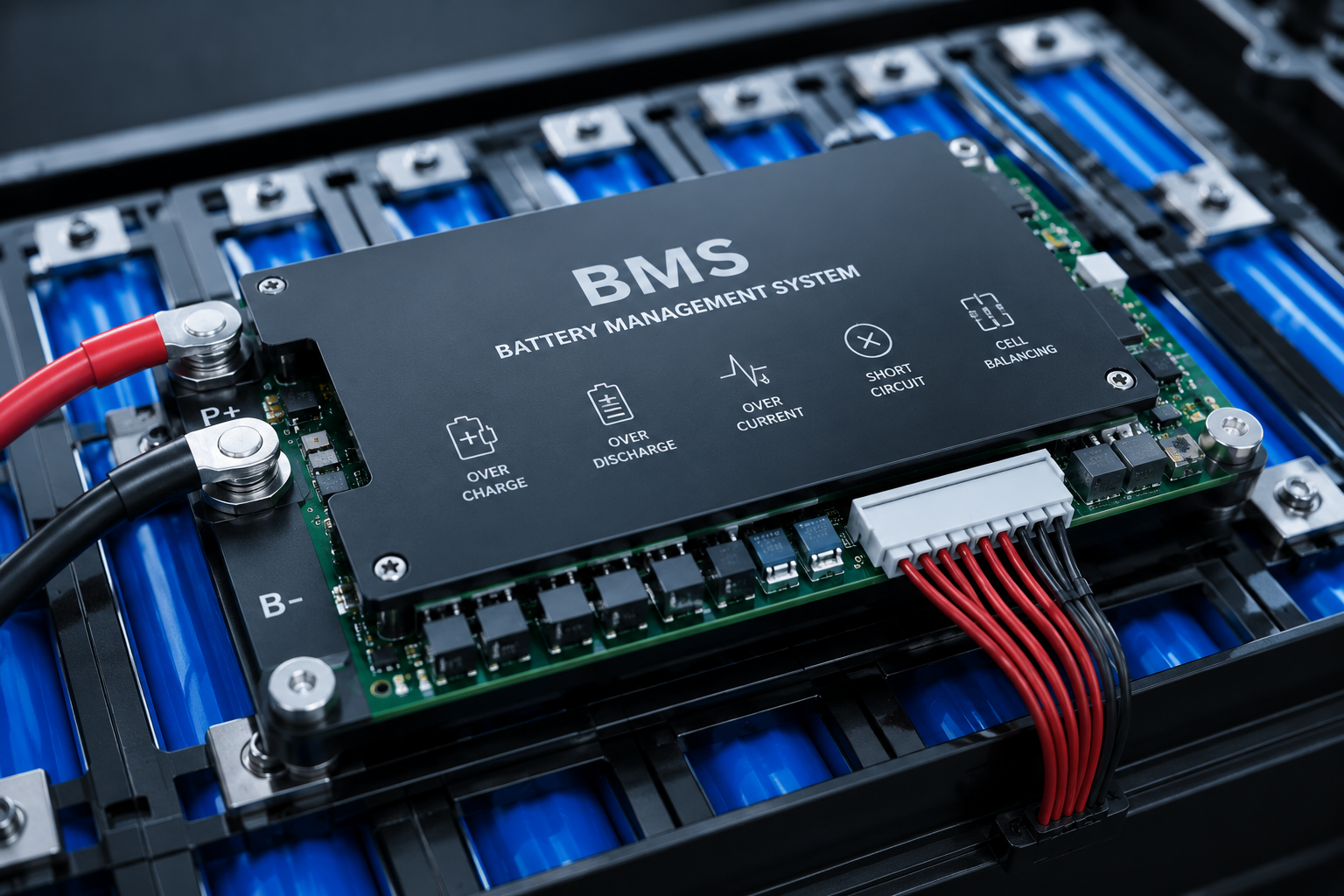
A Battery Management System is an electronic control system designed to monitor and manage the operation of a rechargeable battery pack.
In an EV battery pack, many individual cells are connected in series and parallel configurations. The BMS monitors these cells and helps keep the battery operating within defined electrical and thermal limits.
The BMS acts as an important interface between the battery pack and the vehicle's electrical system. It can provide information about battery condition and help control charging and discharging operations.
A BMS monitors battery parameters, protects the cells and helps maintain reliable battery operation.
Why is BMS Important for EV Batteries?
An EV battery pack consists of a large number of individual cells. Differences between cells can develop during charging, discharging and normal operation.
Without proper monitoring and protection, abnormal voltage, current or temperature conditions could affect battery performance and reliability.
Battery Protection
The BMS helps protect the battery from abnormal operating conditions such as excessive voltage, current and temperature.
SAFETYPerformance Monitoring
Continuous monitoring gives the battery system information required for efficient and reliable operation.
PERFORMANCEBattery Life Management
Proper monitoring and management of battery operating conditions can support long-term battery performance.
RELIABILITYMain Components of a BMS
A Battery Management System contains several electronic and sensing components that work together to monitor and control the battery pack.
BMS Controller
Processes battery information and controls the BMS operation.
Voltage Sensors
Measure individual cell or cell-group voltages.
Temperature Sensors
Monitor battery temperature at important locations.
Current Sensor
Measures current flowing into or out of the battery.
Communication Interface
Allows the BMS to communicate battery information to other vehicle systems.
Protection Circuitry
Helps control and protect the battery during abnormal operating conditions.
Key Functions of a BMS
A modern EV BMS performs several important functions. These functions work together to maintain battery safety and operational reliability.
Monitors the voltage of individual cells or cell groups.
Measures charging and discharging current flowing through the battery pack.
Tracks battery temperature and identifies abnormal thermal conditions.
Helps maintain appropriate voltage balance between cells in the battery pack.
Estimates important battery information such as State of Charge and State of Health.
Cell Voltage Monitoring
Monitoring individual cell voltage is one of the fundamental responsibilities of an EV BMS.
A battery pack contains multiple cells, and the voltage of each cell can vary during charging and discharging. The BMS continuously monitors these values to identify cells that may be outside the desired operating range.
Monitoring individual cells allows the BMS to identify differences between cells instead of treating the entire battery pack as a single unit.
Temperature Monitoring
Temperature has a significant effect on battery performance and safety. During charging and high-power operation, battery cells can generate heat.
Temperature sensors placed at appropriate locations allow the BMS to monitor the thermal condition of the battery pack.
Thermal Monitoring
Continuously monitors temperature at selected battery locations.
Abnormal Temperature
Helps identify temperature conditions outside the desired operating range.
Thermal Management
Battery thermal management systems can use BMS information to manage battery temperature.
Battery Protection
Temperature information helps the system respond to abnormal thermal conditions.
Understanding SOC and SOH
Two important battery parameters managed or estimated by a BMS are State of Charge (SOC) and State of Health (SOH).
| Parameter | Meaning | Purpose |
|---|---|---|
| SOC | State of Charge | Indicates the estimated available charge in the battery. |
| SOH | State of Health | Indicates the estimated condition of the battery compared with its expected condition. |
| Cell Voltage | Individual Cell Voltage | Helps identify voltage differences between cells. |
| Temperature | Thermal Condition | Helps monitor battery operating temperature. |
Battery Cell Balancing
Cells within a battery pack may not always have exactly the same voltage or charge level. Cell balancing is used to manage these differences.
A BMS can use balancing strategies to help maintain better consistency between cells. This is particularly important in battery packs containing many cells connected in series.
Passive Balancing
Passive balancing generally reduces the charge of higher voltage cells by dissipating excess energy as heat.
SIMPLE BALANCINGActive Balancing
Active balancing transfers energy between cells or cell groups to help improve charge distribution.
ENERGY TRANSFERBMS Safety Protection
Safety is one of the most important responsibilities of a Battery Management System. The BMS continuously checks battery operating conditions and can respond when abnormal conditions are detected.
Over-Voltage Protection
Helps protect cells when voltage rises beyond the intended operating range.
Under-Voltage Protection
Helps prevent cells from operating below their specified voltage range.
Over-Current Protection
Helps protect the battery against excessive charging or discharging current.
Over-Temperature Protection
Helps identify excessive battery temperature during operation.
How to Choose the Right BMS
Selecting the right BMS requires understanding the battery pack configuration, electrical requirements and application.
Select a BMS that is appropriate for the battery chemistry being used.
The BMS should support the required number of series-connected cells.
The BMS should support the expected charging and discharging current.
Check whether the BMS supports the communication interface required by the vehicle or application.
Verify that the BMS provides the necessary monitoring and protection functions.
Conclusion
A Battery Management System is a fundamental part of a modern EV battery pack. It continuously monitors important battery parameters and helps maintain safe and reliable operation.
From cell voltage and temperature monitoring to cell balancing, protection and battery state estimation, the BMS performs several functions that support the overall performance of the battery system.
As electric mobility continues to expand, reliable BMS technology will remain an important part of developing safer, smarter and more efficient battery systems.
Smarter Battery Management
A reliable BMS helps monitor, protect and manage the battery system throughout its operation.